20
Jan
What is the LEW-125 Sterile Dry Heat Sterilizer?
The LEW-125 is a dry heat sterilizer designed for high-temperature sterilization of laboratory and medical equipment such as glassware, metal instruments, and heat-resistant tools. Unlike steam sterilizers, it uses hot air circulation to eliminate microorganisms, including bacteria, viruses, and spores, without moisture.
1. Moisture‑Free Sterilization
-
The LEW‑125 uses dry heat instead of steam, making it ideal for materials that are sensitive to moisture, such as:
-
Glassware (flasks, pipettes)
-
Metal instruments
-
Powders, oils, and sealed containers
-
-
Steam or wet sterilization could corrode metals, damage powders, or degrade sensitive materials.
Importance: Protects expensive and delicate instruments while achieving sterilization.
2. Effective Microbial Destruction
-
High-temperature dry air kills bacteria, viruses, fungi, and even spores through protein denaturation and oxidative destruction.
-
When operated at proper validated cycles, it eliminates pyrogens (endotoxins) that could contaminate pharmaceutical or lab products.
Importance: Ensures sterility of materials used in labs, pharmaceuticals, and industrial processes.
Suitable for Pharmaceutical and Laboratory Applications
-
Essential in pharma production, for sterilizing:
-
Ampoules and vials before filling
-
Glass bottles and containers
-
-
Widely used in labs to sterilize instruments and glassware without moisture damage.
Importance: Maintains regulatory compliance and ensures safe, sterile handling of products.
4. No Corrosion or Chemical Residue
-
Unlike chemical sterilization methods, dry heat doesn’t leave residues.
-
Metal instruments remain corrosion-free, and powders/oils are unaffected.
Importance: Maintains the integrity of instruments and samples, reducing maintenance and contamination risk.
Types of LEW-125 Sterile Dry Heat Sterilizer
1. Static‑Air (Natural Convection) Dry Heat Sterilizer
-
Air circulates naturally — hot air rises and cool air falls within the chamber.
-
Simpler design and lower cost, but slower heat distribution and less uniform temperature throughout the chamber.
-
🌬 2. Forced‑Air (Mechanical Convection) Dry Heat Sterilizer
-
Uses a fan or blower to circulate hot air evenly throughout the chamber.
-
Provides faster, more uniform heating and shorter sterilization cycles.
-
Ideal for regular use, mixed loads, and precise sterilization.
-
Features of a LEW-125 Sterile Dry Heat Sterilizer
1. Dry Heat Sterilization Mechanism
Uses high‑temperature dry air (no steam) to sterilize equipment and materials by oxidative destruction of microbes — ideal for moisture‑sensitive loads like glassware, metal instruments, and powders.
2. Stainless‑Steel Construction
-
Inner chamber: Typically SS‑304 (or SS‑316 in higher grades) for corrosion resistance and cleanability.
-
Outer body: Powder‑coated or stainless finish for durability.
This ensures long life and compliance with hygiene standards.
3. Uniform Heat Distribution
-
Forced convection (blower/fan) circulates hot air evenly throughout the chamber.
-
Prevents temperature “cold spots” that can compromise sterilization.
Good models ensure consistent sterilization across all load areas.
Precise Temperature & Time Control
-
Digital or microprocessor temperature controller with settable sterilization time.
-
Ability to reach and hold sterilization temperatures reliably (often up to 250–300 °C in dry heat sterilization).
-
Accurate controls are essential for meeting process validation criteria.
Safety Interlocks & Indicators
-
Door safety/interlock prevents opening while chamber is at high temperature.
-
Visual indicators (LED/LCD) for temperature, cycle progress, alarms, and completion.
-
Some models also have audible alerts at cycle end.
Insulated & Energy‑Efficient Design
-
Chamber and walls are insulated (e.g., mineral wool), minimizing heat loss and stabilizing internal temperature.
-
Proper insulation enhances energy efficiency and temperature accuracy.
Lokesh Engineering Works Unit – LEW-125 Sterile Dry Heat Sterilizer
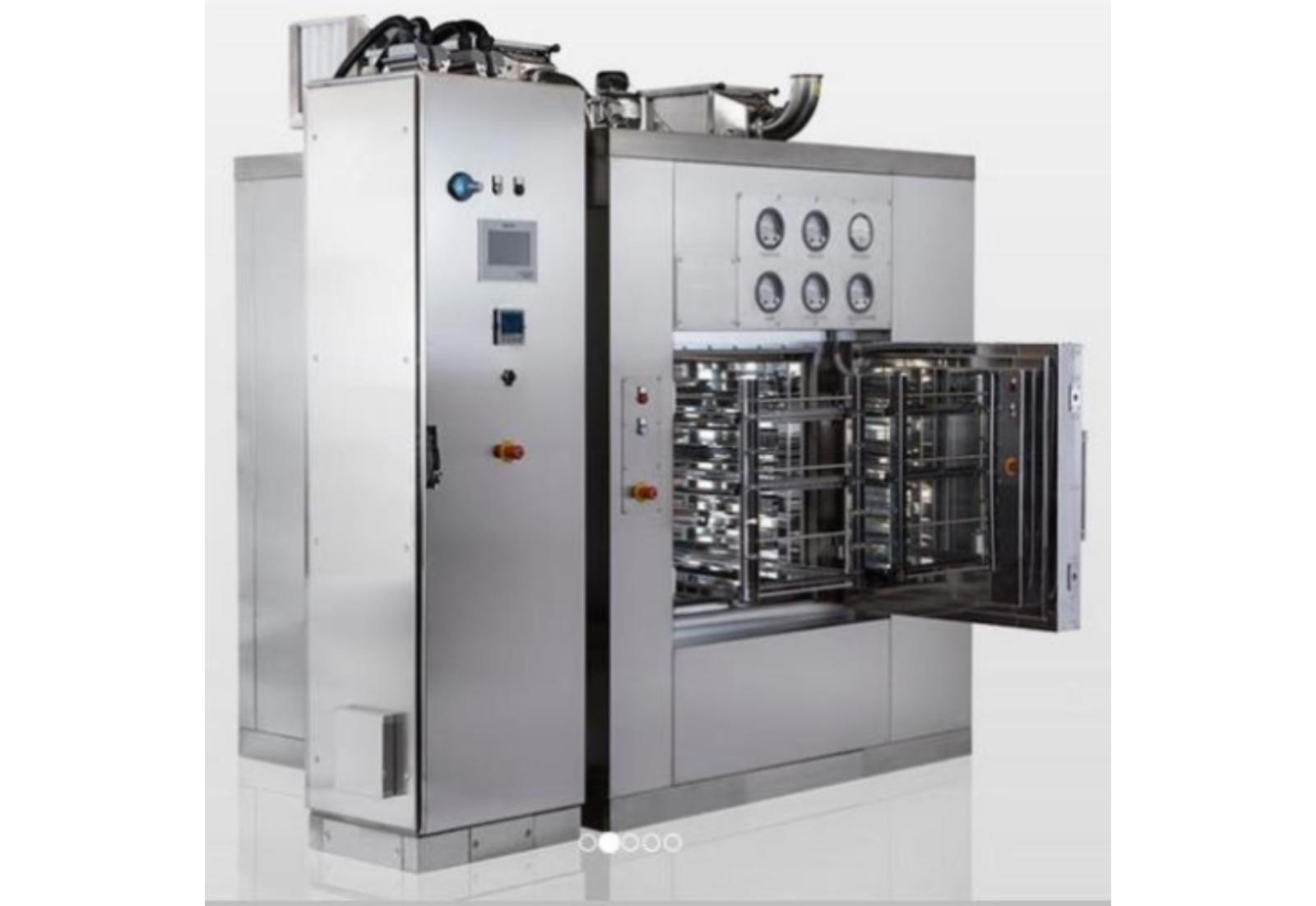
The LEW-125 Sterile Dry Heat Sterilizer from Lokesh Engineering Works Unit is a high-performance sterilization solution designed for laboratories, hospitals, clinics, and pharmaceutical facilities. It provides reliable, moisture-free sterilization for glassware, metal instruments, powders, and other heat-resistant equipment.